

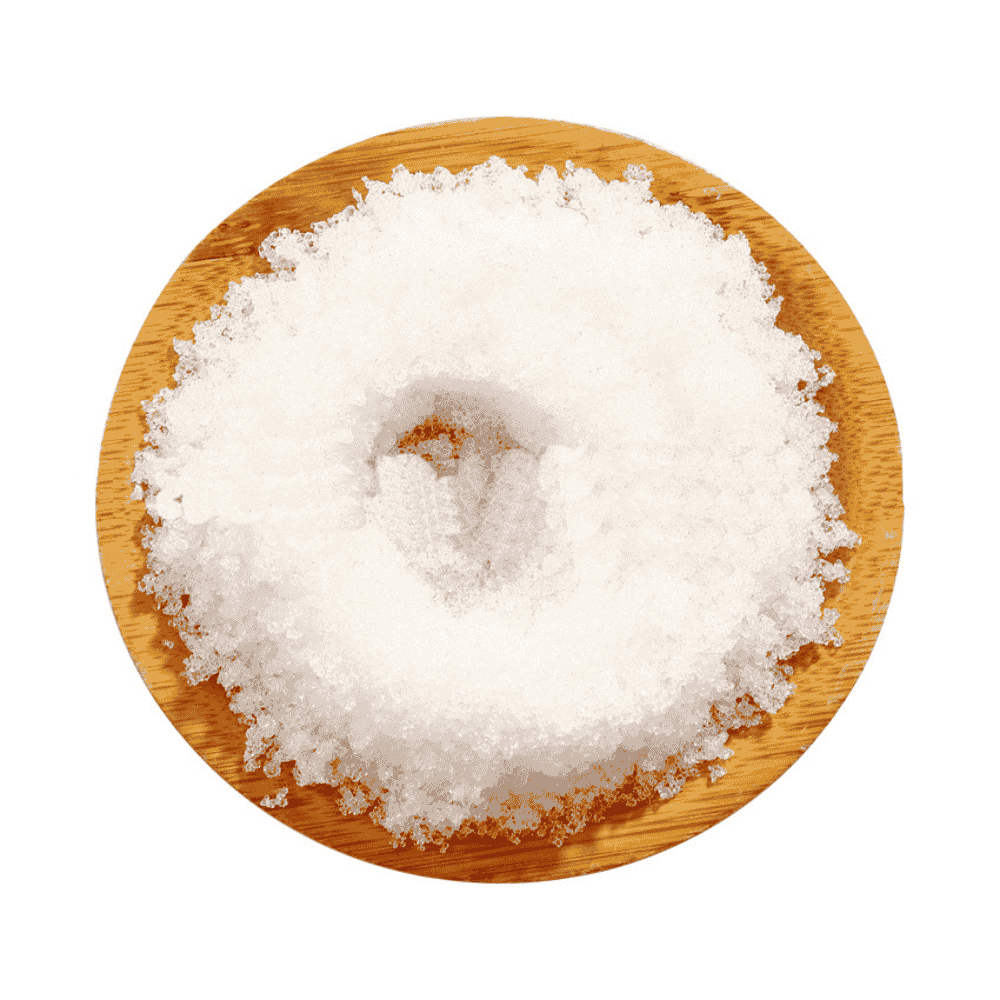
Mercaptopropionic acid Cas 107-96-0
- Product name: 3-Mercaptopropionic acid
- Purity: 99%
- Appearance: White crystalline powder
- Storage: Store below +30°C.
- Package: 250kg/drum
- Sample: Available
- Estimated Delivery : Up to 4 business days
- Free Shipping & Returns : On all orders over $200
Description
Chemical Name:3-Mercaptopropionic acid
Cas No:107-96-0
Synonyms:3-mercpato-propionicaci;acidemercapto-3propionique;beta-mercaptopropanoicacid;beta-Thiopropionic acid;beta-thiopropionicacid;3-Mercaptopropionic acid, 99+% 100ML;2-Mercaptoethanecarboxylic Acid;NSC 437
Molecular Weight:106.14
Molecular Formula:C3H6O2S
Molecular Structure:

Specification:
|
Items |
Specifications |
|
Melting point |
15-18 °C |
|
Boiling point |
110-111 °C |
|
Fp |
201 °F |
|
Logp |
-2.3 at 22℃ |
|
pH
|
2 |
|
Density |
1.218 g/mL at 25 °C |
|
pKa
|
1 |
|
Water solubility
|
soluble |
Function:
Complexation: Thiol (-SH) has a strong coordination ability and can form stable complexes with many metal ions. This complexation can be used for the separation, enrichment and detection of metal ions.
Reduction: Thiol has reducing properties and is easily oxidized. It can be used as a reducing agent in some chemical reactions to reduce certain compounds or protect other easily oxidized groups.
Chemical reactivity: Both the thiol and carboxyl groups in the molecule have high reactivity and can participate in a variety of chemical reactions, such as esterification with alcohols and amidation with amines. They can also be introduced into various organic compounds through addition reactions of thiol and double bonds, thereby giving the product new properties.
Self-assembly: Using the strong interaction between thiol and metal surfaces such as gold and silver, 3-mercaptopropionic acid can form a self-assembled monolayer on the metal surface, which is used to regulate the properties of the metal surface, such as surface wettability and surface charge.
Application:
Intermediate: It is an important intermediate for synthesizing a variety of organic compounds. For example, it can be used to synthesize compounds such as thiol esters and thiol amides, which are widely used in drug synthesis, material science and other fields. Various organic compounds with special functions can be prepared by addition reactions with compounds containing double bonds.
Additive: It can be added to cosmetics to play an antioxidant role by utilizing its reducing property, preventing the oil and other ingredients in cosmetics from being oxidized and deteriorated, and extending the shelf life of cosmetics. At the same time, it may also have a certain moisturizing and repairing effect on the skin, which helps to improve the texture of the skin.
Add a review
Related products
-
-
-
-
-
Calcium Chloride
zł20 -

Reviews
There are no reviews yet.