

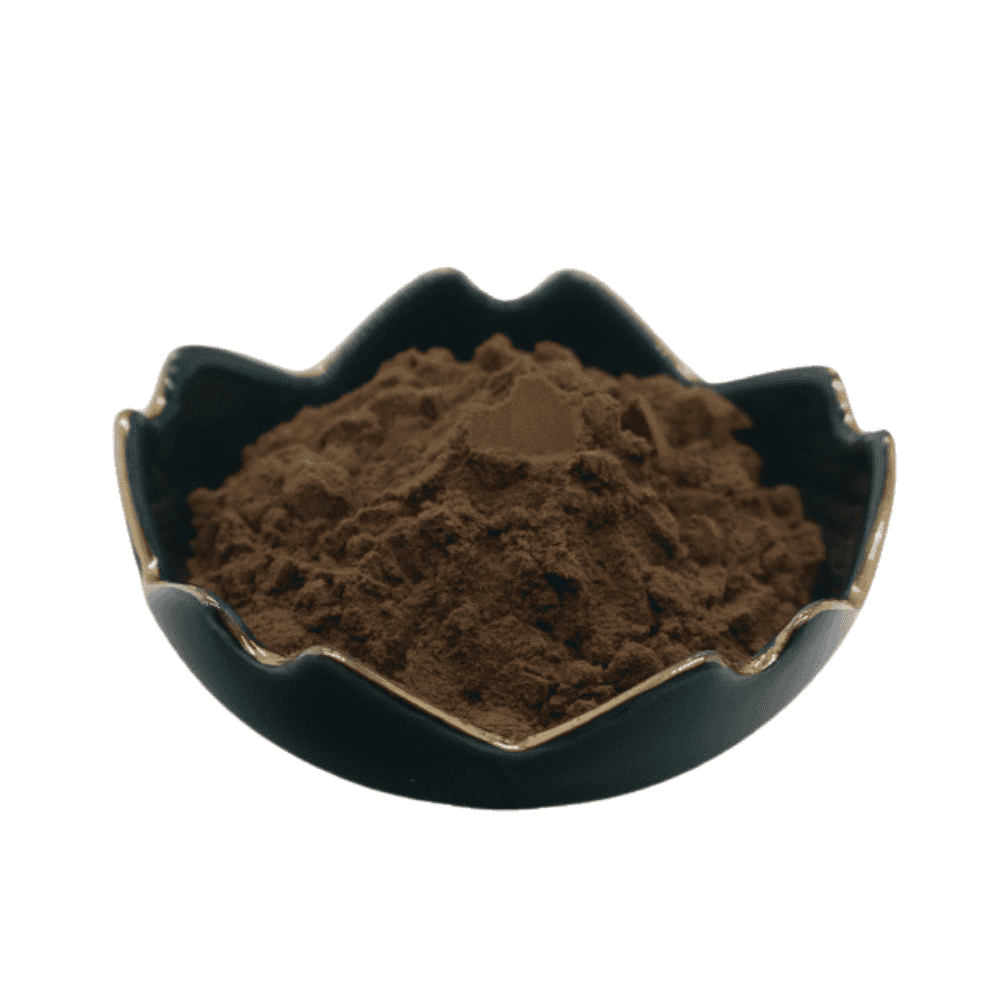
Furandicarboxylic acid Cas 3238-40-2
- You Can See Your Pills And Capsules Stored Inside The Box.
- Helps Keep Track Of Medicines You Take Different Times.
- Pill Box Comes On A Tray Has 28 Separate Compartments.
- Estimated Delivery : Up to 4 business days
- Free Shipping & Returns : On all orders over $200
Description
Chemical Name:2,5-Furandicarboxylic acid
Cas No:3238-40-2
EINECS No:221-800-8
Synonyms:Furane-alpha,alpha’-dicarboxylic acid;RARECHEM AL BO 0910;DEHYDROMUCIC ACID;2,5-FURANDICARBOXYLIC ACID;Furan-2,5-dicarboxylic acid 97%;5-Furandicarboxylic acid;Furane-α,α’-dicarboxylic Acid;NSC 40740
Molecular Formula:C6H4O5
Molecular Weight:156.09
Molecular Structure:

Specification:
|
Items |
Specifications |
|
Cas No. |
3238-40-2 |
|
EINECS |
221-800-8 |
|
Molecular Weight |
156.09 |
|
Appearance |
White to dark brown crystalline powder
|
|
Density |
1.7400 |
|
Boiling Point |
240.29°C (rough estimate)
|
|
pKa
|
2.28±0.10(Predicted)
|
|
Fp |
/ |
|
Melting Point |
>300 °C |
|
Loss on drying |
≤0.5 |
Function:
2,5-Furandicarboxylic acid (FDCA) contains two carboxyl functional groups and can undergo condensation reaction with hydroxyl-containing compounds such as diols to form polyesters.
Introducing 2,5-furandicarboxylic acid structural units into polymer materials can adjust the material’s glass transition temperature, melting point, crystallinity and other performance parameters, thereby improving the material’s flexibility, rigidity, heat resistance, etc., making it more suitable for specific application requirements.
Application:
It can be used to manufacture high-performance polyester fibers. The fibers produced have good strength, wear resistance and wrinkle resistance. They also have certain biodegradability, which can alleviate the pressure of traditional polyester fibers on the environment to a certain extent. They can be used in clothing, home textiles and other fields.
Plasticizers synthesized based on 2,5-furandicarboxylic acid have the advantages of environmental protection and safety. They can be widely used in plastic products such as food packaging, toys, household items, electronic equipment, etc., replacing traditional petroleum-based plasticizers and reducing potential harm to humans and the environment.
Add a review
You may also like…



Related products
-
-


-
Calcium Chloride
zł20 -

-
-

Reviews
There are no reviews yet.