

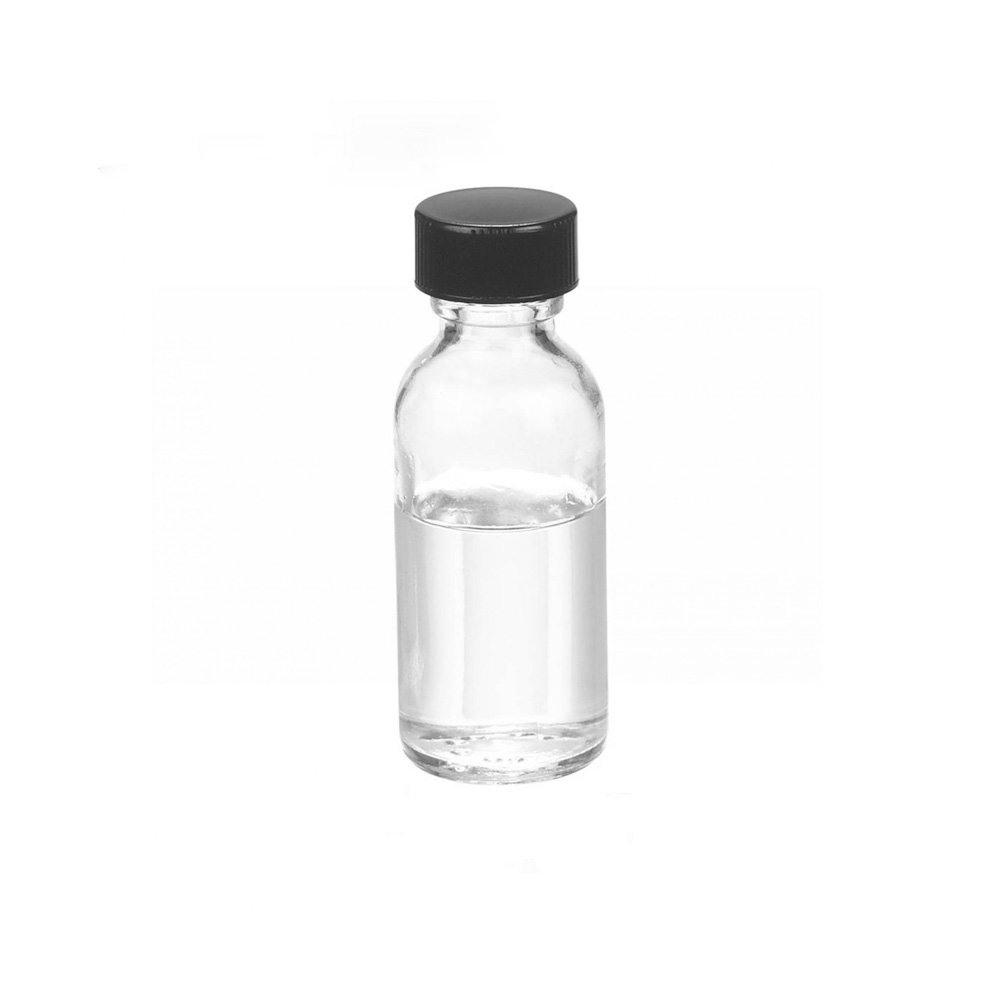
Poly(ethylene glycol) Dimethacrylate CAS 25852-47-5
- Synonyms: Methacrylate-PEGn-Methacrylate 2K, 5K, 10K, 20K etc.
- Appearance: colorless or yellowish liquid
- Storage: It should be stored under 2-8℃, dry and sealed.
- Use: Used in food, medical and health gel materials, etc.
- Packing: 200 kg/ drum
- Sample: we provide free samples.
- Estimated Delivery : Up to 4 business days
- Free Shipping & Returns : On all orders over $200
Description
Molecular Formula: (C4H5O). (C2H4O)n.(C4H5O2)
Molecular Weight: 536
Specification:
|
Items |
Specifications |
|
Boiling Point |
>200°C 2mmHg(lit.) |
|
Density |
1.11g/mL at 25°C |
|
Refractive Index
|
n20/D1.467 |
|
Flash Point |
>230°F |
|
Water Solubility |
Soluble in water. |
|
Sensitivity |
Moisture&Light Sensitive |
|
Stability |
Stable. Incompatible with strong oxidizing agents. May be sensitive to sunlight. |
|
Color,Pt-Co |
≤100 |
|
Acid Value,% |
≤0.1 |
|
Inhibitor,MEHQ, ppm |
250~350 |
Function:
1. Polyethylene glycol dimethacrylate can be used as a cross-linking agent during the polymerization process, and polymerize with other unsaturated compounds under the action of free radical initiators to form a three-dimensional network structure.
2. The polyethylene glycol (PEG) chain segment in the molecule has good hydrophilicity.
3. Polyethylene glycol dimethacrylate is able to provide a certain degree of flexibility to the material.
Application:
1. Polyethylene Glycol Dimethacrylate is one of the important components of dental composite resins, which are used for filling caries and repairing dental defects.
2. Used in the manufacture of soft contact lenses.
3. Used as a reactive diluent in aqueous UV-curable coatings. For example, water-based wood coatings.
4. In metal anti-corrosion coatings, it can be used with other anti-corrosion materials to form a coating with good barrier properties.
5. It is used to construct three-dimensional scaffolds for tissue engineering, e.g., in bone tissue engineering, polyethylene glycol dimethacrylate scaffolds can guide the growth of osteoblasts and help repair bone defects.
6. As a drug slow-release carrier, it can encapsulate drugs in its internal structure. By controlling the degree of cross-linking and the rate of degradation of the polymer, a slow release of the drug can be achieved.



Reviews
There are no reviews yet.