

Poly(ethylene glycol) Diacrylate CAS 26570-48-9
- Synonyms: Poly(ethylene glycol) diacrylate (Mn 2000);AC-PEG-AC;1,2-Ethanediyl bisacrylate etc.
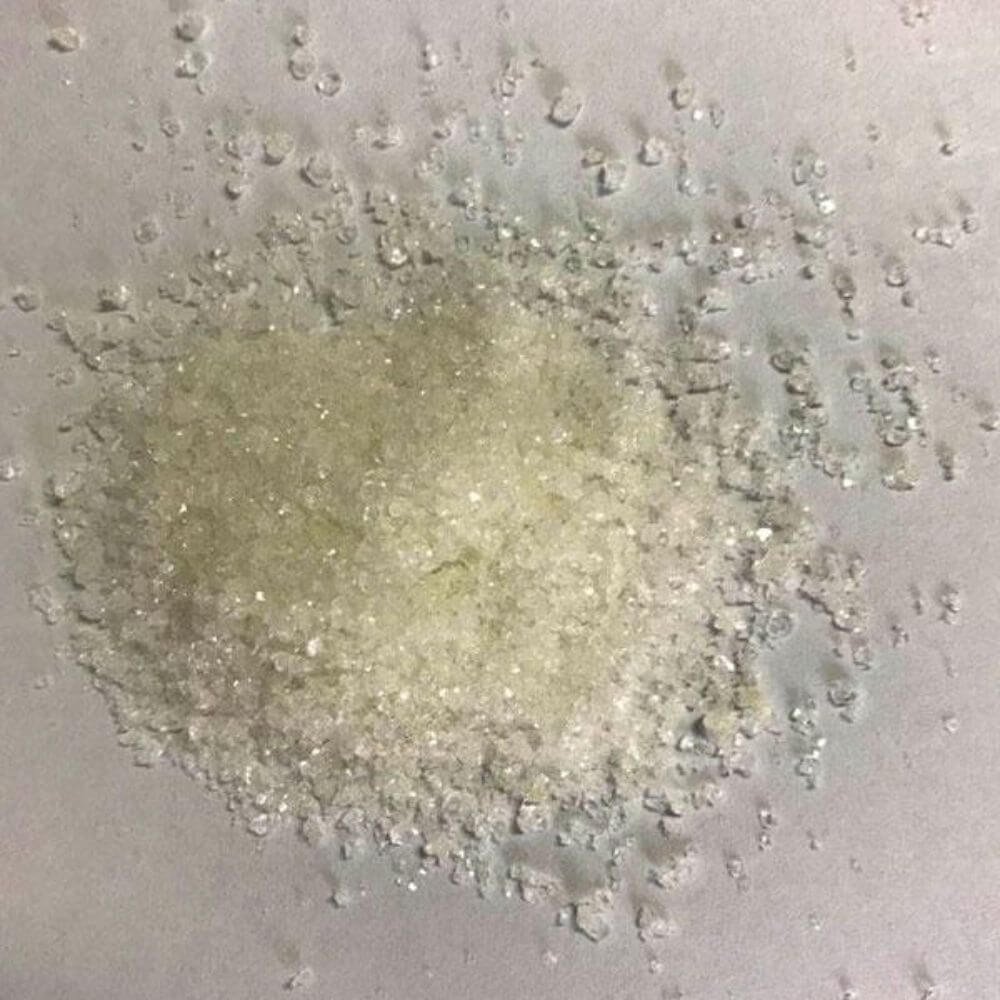
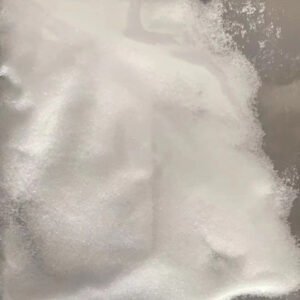
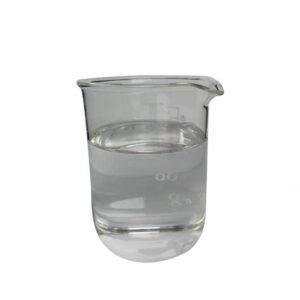
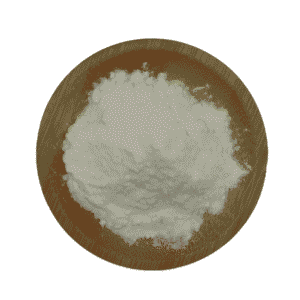
- Appearance: viscous liquid or white solid powder (depending on molecular weight)
- Storage: Protect from light and humidity, and store with argon.
- Uses: Widely used in polymer coatings, flexible devices and biomedicine.
- Packing: 25 kg/drum
- Sample: we provide free samples.
- Estimated Delivery : Up to 4 business days
- Free Shipping & Returns : On all orders over $200
Description
Molecular Formula: C5H10O4
Molecular Weight: 134.1305
Structural Formula:
Specification:
|
Items |
Specifications |
|
Melting Point |
12-17°C |
|
Density |
1.12g/mL at 25°C |
|
Refractive Index
|
n20/D1.47 |
|
Flash Point |
347°F |
|
Water Solubility |
Soluble in water. |
|
Sensitivity |
Light Sensitive |
Function:
1. It can participate in free radical polymerization reaction and cross-linking reaction with other monomers or polymers containing unsaturated bonds to form a three-dimensional mesh structure.
2. Polyethylene glycol (PEG) chain segments have good hydrophilicity. In polymer systems, it can affect the properties of the material such as water absorption, wettability and biocompatibility.
Application:
1. Polyethylene glycol diacrylate is an important active diluent for ultraviolet (UV) curing coatings. For example, wood coatings.
2. As UV curing ink, it is used in plastic film, paper and other printing materials to improve the printing efficiency, and to make the printing pattern with good friction resistance and chemical resistance.
3. Polyethylene glycol diacrylate can be used as an important component of pressure-sensitive adhesives in medical tapes, labeling tapes and other products.
4. Used in construction materials, bonding of automotive parts, etc.
5. Its hydrophilicity and cross-linkability make it one of the ideal materials for the preparation of tissue engineering scaffolds.
6.Polyethylene glycol diacrylate can release drugs slowly in the body by binding or wrapping them with drug molecules and then in the body.




Reviews
There are no reviews yet.